
Copyright, Licensing & Homeowner Consent in Residential Interior Photography
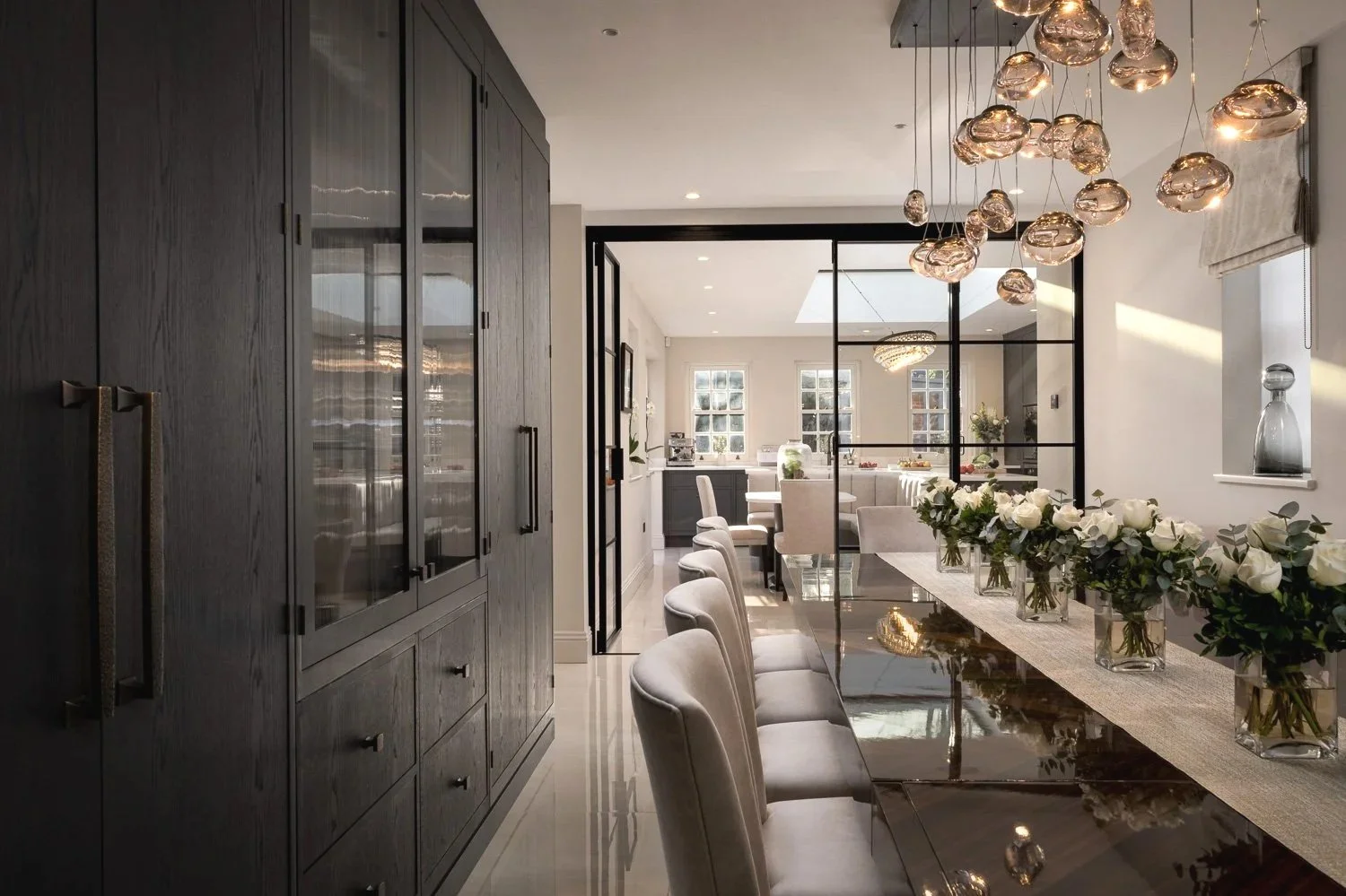
What Every UK Design Practice Should Actually Understand
There is a persistent misconception in the architectural and interior design industry:
“It’s my design. The client paid for it. So once it’s complete, we can photograph and use the images—right?”
Wrong. That assumption feels logical. But under UK law, it’s flawed—and it could cost you.
When a completed residential project is photographed, three separate rights exist simultaneously:
The designer’s intellectual property (the design itself).
The photographer’s copyright (the photographs as distinct creative works).
The homeowner’s property and privacy rights (Article 8 of the Human Rights Act and GDPR considerations).
If those layers are not structured correctly, the risk does not sit with the photographer alone. It sits with the design practice using the images commercially. Most practices significantly underestimate this exposure.
Who Actually Owns the Photographs?
Under the Copyright, Designs and Patents Act 1988 (CDPA), the first owner of copyright is the author—the photographer. This is the default legal position in the UK.
It is not optional: Copyright is an automatic right.
It is not determined by commissioning: Paying the invoice does not transfer ownership.
It is not implied: Ownership only changes hands if it is explicitly assigned in writing via a Deed of Assignment.
As Céleste Athalia Reumert Refn, IP specialist and Founder of GRAND IPR®, often highlights to scaling businesses: you may have built something valuable, but it is only truly yours if the legal structure holds. In her forthcoming book “Build It Protect It Leverage It” (2026), she emphasizes that commercial scaling requires moving beyond assumptions to concrete trademark and IP strategy.
In most professional commercial arrangements, copyright is not assigned; instead, the client is granted a licence. Furthermore, photographers hold Moral Rights under the CDPA, including the right to be identified as the author (paternity rights) and the right to object to derogatory treatment of the work.
A licence is permission to use the images under defined terms. It specifies:
Permitted Use: Social media, website, print, or OOH advertising.
Duration & Territory: How long and where (UK-only vs. Global).
Sublicensing: Whether you can legally pass these images to contractors, suppliers, or magazines.
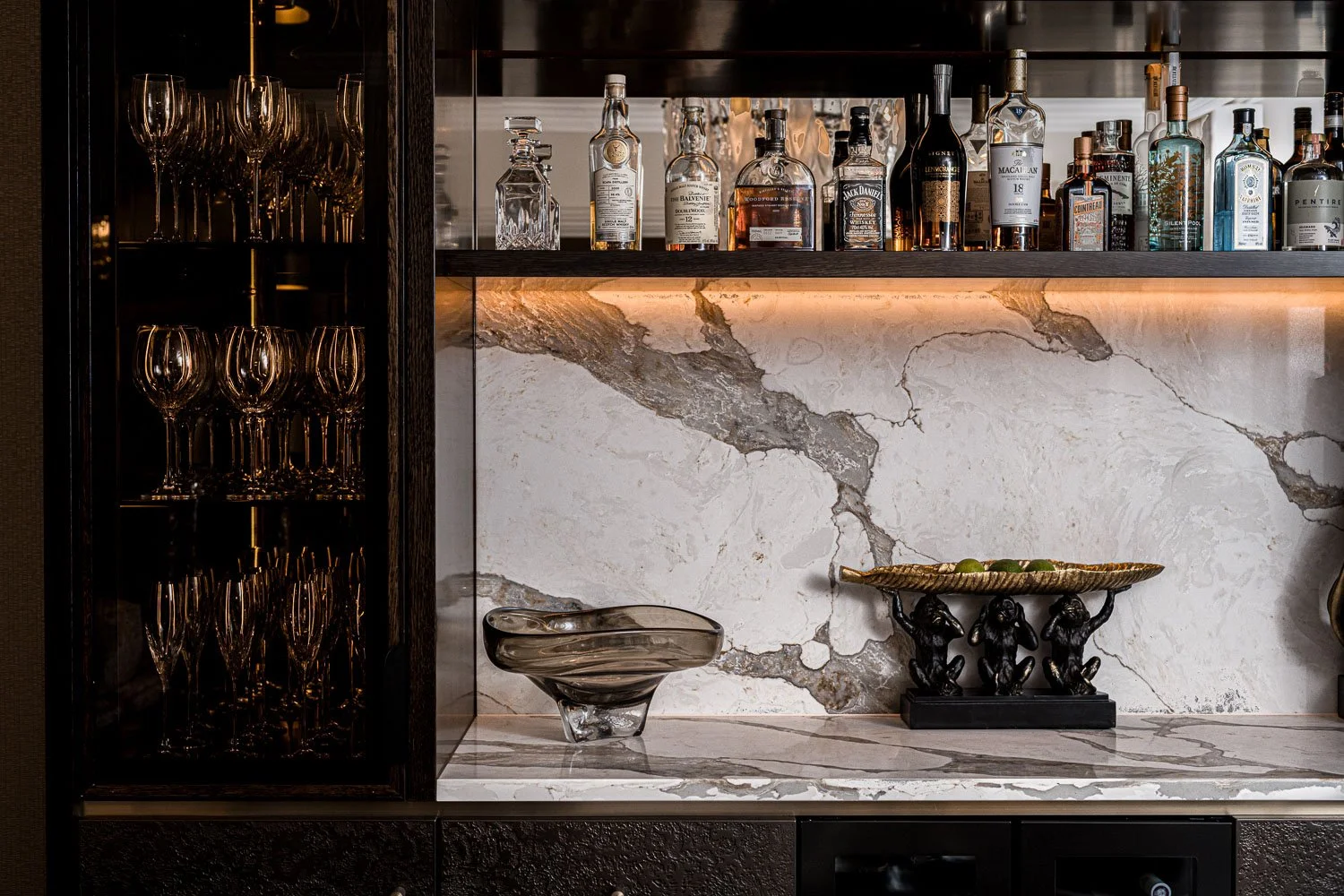
Privacy Lives in the Details
This image looks like luxury — and it is. But it also carries risk.
Photographing private liquor collections, sculpture, and custom joinery touches details that can unintentionally identify the homeowner’s lifestyle.
This is exactly why homeowner consent and data protection awareness aren’t just ethical—they’re operationally smart.
“But It’s My Design.”
You own the intellectual property in your design (subject to your client appointments). However, the photograph is a separate creative work under the law.
It is not a "copy" of your drawing. It is an original work involving composition, technical lighting, and post-production. Owning the underlying architecture does not grant you equity in the image created of it. Assuming otherwise leads to "innocent infringement," which can still carry significant financial penalties. But even if you understand image ownership, most design firms still overlook one critical layer: homeowner consent.
When a Residence Becomes a Commercial Asset
The moment a private home is photographed for your portfolio, it undergoes a legal shift. It stops being a "dwelling" and becomes a commercial marketing asset.
In the UK, there is no standalone "image right" for property, but the Data Protection Act 2018 (UK GDPR) applies if a property is identifiable as belonging to a specific individual. When you use these images to win new business, enter awards, or support a developer's sales suite, you are commercially representing a private space.
This distinction is critical. You are no longer documenting; you are promoting.
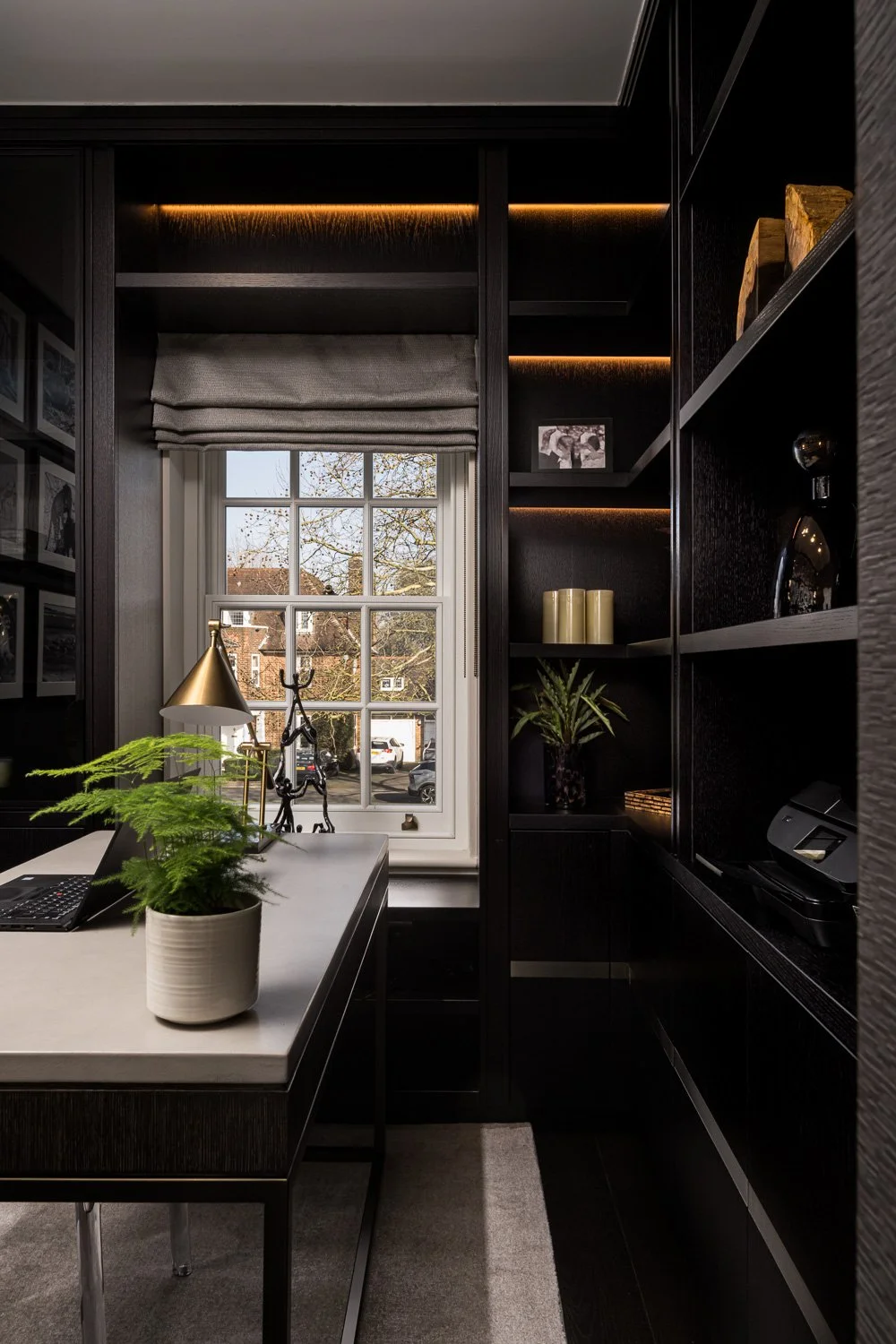
Discretion Isn’t a Bonus
—
It’s a Legal Layer
Photographing private interiors isn’t just about composition. It’s about safeguarding trust, privacy, and your client’s legal expectations —especially when personal spaces like home offices are involved.
This is why standardised consent and structured licensing aren’t “extra paperwork.” They are operational essentials.
Homeowner Permission: The Overlooked Layer
Interior designers often rely on a "handshake" agreement. In a high-stakes commercial environment, informal consent is a liability. The homeowner controls:
Physical Access: The right to grant or revoke entry.
Privacy Rights: The expectation of confidentiality in their private life.
Residential interiors often reveal security-sensitive details, high-value art, or layouts that could compromise the occupant's privacy. If imagery is used in a way the homeowner considers intrusive—especially in paid-for advertorials—you risk a claim for Breach of Confidence or Misuse of Private Information.
For practices operating in £5m+ markets like Mayfair (W1), Kensington & Chelsea (SW3), Hampstead (NW3) or Belgravia, discretion isn't just a courtesy; it’s a contractual expectation.
Why Licensing Protects Design Practices
Licensing is a governance tool. It protects the design business by providing a "paper trail" of authority. A clearly defined licence:
Prevents Accidental Overuse: Limits your liability if a junior staff member sends high-res files to a third-party supplier without permission.
Clarifies Third-Party Sharing: Sets the rules for "Cost Sharing" with contractors.
Reduces Litigation Risk: Aligns expectations before the first shutter click.
Without defined terms, you face "Usage Creep"—where a project ends up in an international magazine or a global ad campaign, triggering unexpected fee claims from the copyright holder.
The Three-Layer Structure
Professional residential photography sits within a structured legal framework:
Photographer Copyright: The creator retains ownership.
Usage Licence: The practice receives defined rights for marketing.
Homeowner Consent: The owner grants permission for their private space to be used as a public commercial tool.
When these layers align, your portfolio is a stable business asset. When they don’t, your brand's foundation rests on a series of assumptions.
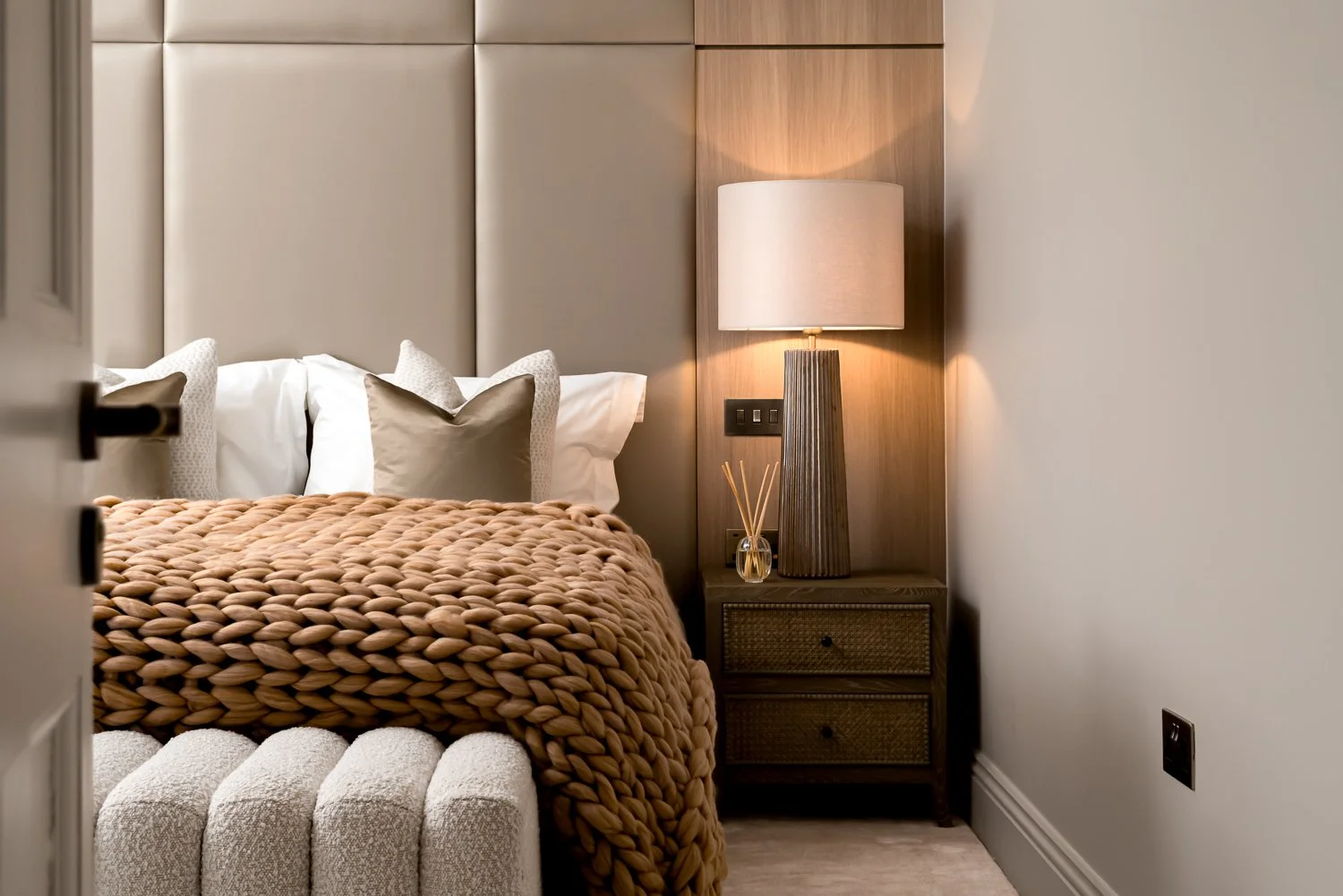
Bedrooms Are Private by Nature — So Treat Them That Way
Even the most refined design work sits inside someone’s personal sanctuary.
Images of bedrooms—especially when styled with bedding, soft lighting, or scent diffusers—feel intimate.
That’s exactly why relying on casual homeowner consent is a mistake.
If this space becomes part of your awards pitch or brand advertising, it deserves formal permission.
The Risk No One Plans For
Consider a common UK scenario: A homeowner sells the property six months after your shoot. The new owner objects to the interior layouts being visible on your website for security reasons.
If your permissions were informal, you may be forced to:
Remove imagery from your digital estate.
Retract award entries.
Shut down live campaigns.
This isn't just an inconvenience; it is the loss of your marketing investment.
Premium Design Requires Premium Process
High-end design is defined by operational maturity. Standardising your photography agreements demonstrates to high-net-worth clients that you respect their privacy and understand the legalities of the UK property market.
If photography is what wins you your next £100k+ commission in Westminster or the Cotswolds, it deserves the same contractual rigour you apply to your RIBA or BIID appointments.
Where the Conversation Goes Next
Homeowner consent is the baseline. However, as usage moves from "portfolio" to "wide-scale commercial promotion," the conversation shifts toward Property Releases.
Not every project requires a formal release under UK law, but in specific commercial contexts, they are your only absolute defense.
Moving Beyond the Legal Grey Area
Homeowner consent and property releases are complex, but they shouldn't stall your marketing. If your portfolio is one of your most valuable business assets, it should not operate on guesswork.
Are you planning a shoot for a high-value residential project in London?
Let’s ensure your practice is protected from the start.
Book a Project Consultation
COMING SOON → In the next article, we will examine:
Property Releases in Residential Interior Photography — When Are They Actually Required in the UK?
We will clarify:
The difference between Editorial and Commercial usage.
When a written letter of consent is enough vs. a formal Release.
How to navigate the "grey areas" of UK privacy law.