
How Much Does Interior & Architectural Photography Cost in London?
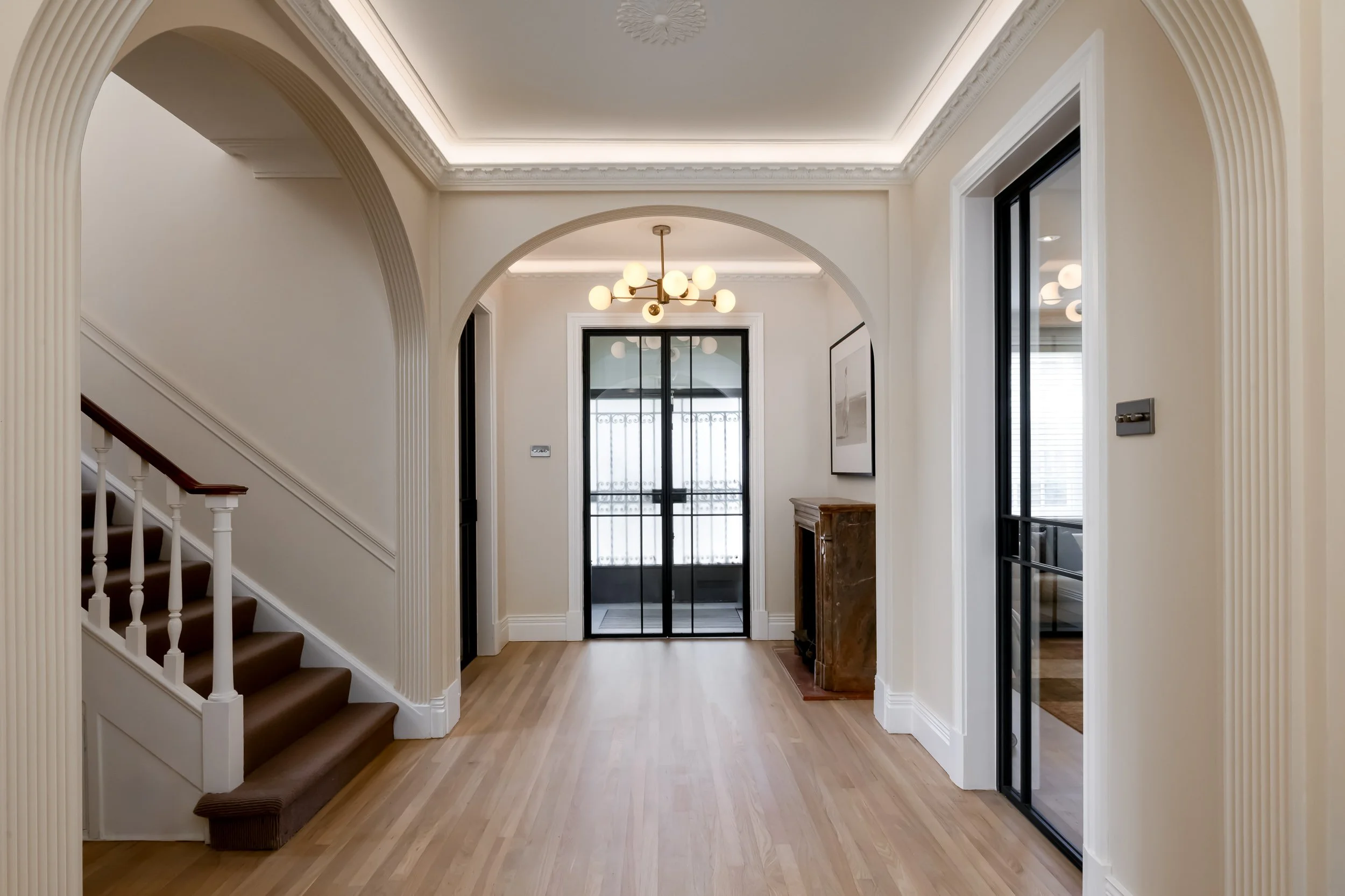
Arched entrance hall
A practical guide to pricing, licensing and comparing photography quotes
If you are planning to photograph a completed interior, architectural project or bespoke installation in London, you can find photography advertised for a few hundred pounds — while specialist project commissions can cost £1,000, £2,000 or considerably more.
That makes it surprisingly difficult to know what a realistic budget should be.
The reason for the wide range is simple: these prices often describe very different services.
A fast property shoot created to market a home for sale is not the same commission as photographing an interior designer's completed project for their portfolio, documenting bespoke joinery for a manufacturer, or creating a complete photography and video library for an architectural practice.
For my own commercial interior and architectural photography in London, focused project commissions start from £650. Larger projects, full-day coverage and shoots combining still photography with motion require a higher budget.
But the most useful question isn't:
"How much does an interior photographer charge?"
It is:
"What does this photography commission need to produce for my business?"
That is what should determine the quote.
Why can interior photography cost £200 or £1,500+?
There is an important difference between property photography and project photography.
Property photography usually needs to communicate a property efficiently: its rooms, size, layout and overall condition. It is typically produced quickly and at relatively high volume for estate agents, property listings or short-term rental platforms.
Specialist interior and architectural photography has a different job.
For an interior designer, architect, contractor or design-led manufacturer, the photographs may need to communicate:
the design concept
materials and finishes
bespoke craftsmanship
architectural changes
how spaces connect
important design details
products installed in context
the quality of the completed work
The difference isn't simply that one photographer spends longer at the property.
The photographs are being created for a different purpose.
And they often have a very different useful lifespan.
Property-listing photography might only need to work until a property has been sold or let.
Strong project photography can continue representing the business long after the shoot — across its portfolio, website, social media, pitch presentations, case studies, PR and awards submissions.
You are photographing this project — but the images may help win the next one
A completed project is what we are photographing today.
Commercially, however, the photographs often have another job:
helping the business win its next project.
For an interior designer, architect, contractor or specialist manufacturer, completed work is one of the clearest ways a prospective client can judge the standard they could commission for themselves.
That makes project photography more than a record of what has already been built.
It becomes part of the business's future sales and marketing material.
A strong project may appear repeatedly in:
your website portfolio
proposals and presentations
social campaigns
PR submissions
awards entries
brochures
case studies
conversations with prospective clients
This is one reason I don't think the value of specialist project photography should be judged simply by the number of hours the photographer spends on site.
The shoot happens once.
The images may continue working for the business long afterwards.
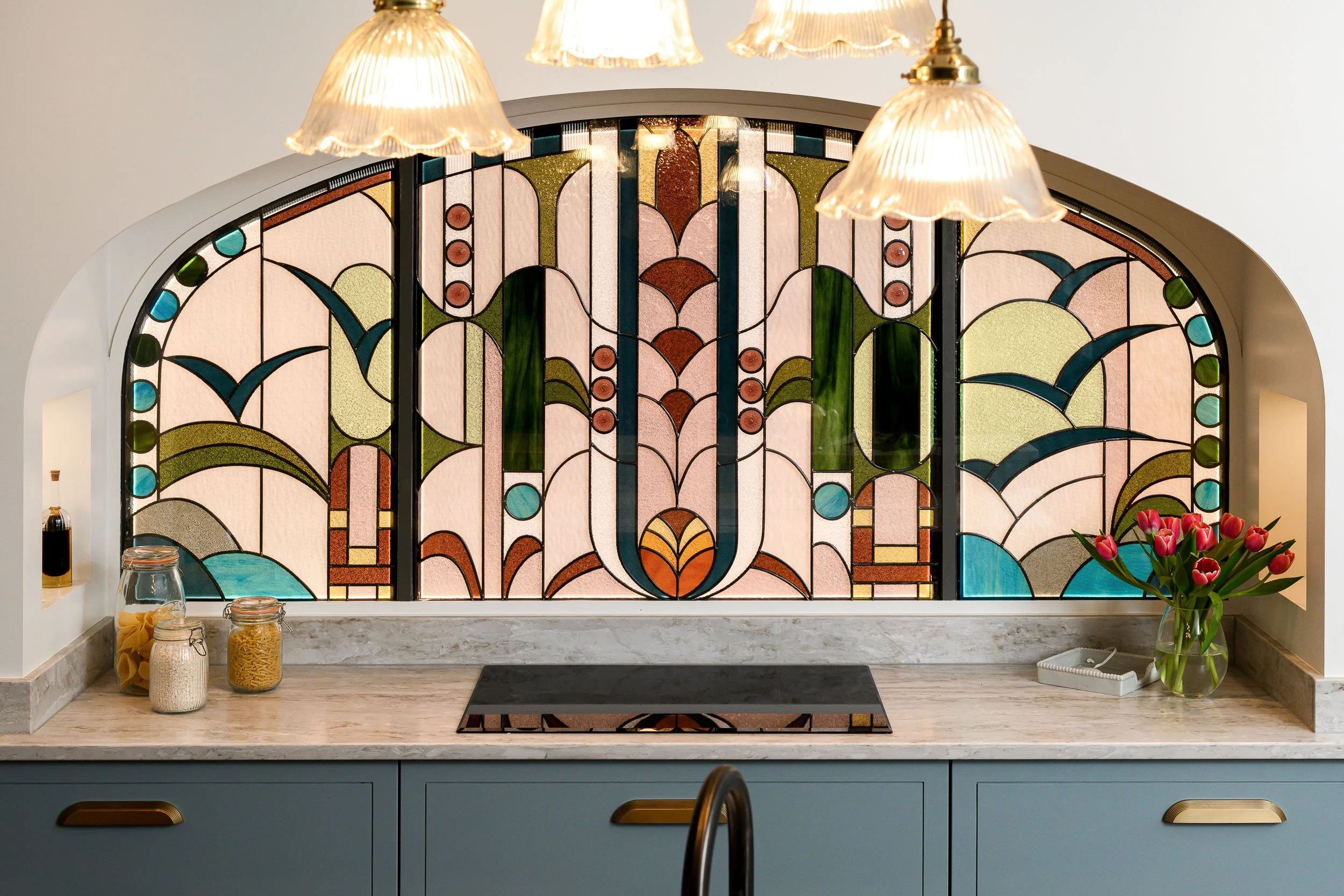
Colourful kitchen / mural splashback
What actually affects the price of an interior photography commission?
I find most quotes come down to three main questions.
1. What needs to be photographed?
Saying that you need "20 photographs" isn't enough information for me to price a shoot properly.
My first questions are usually:
How many spaces are there?
What is most important to show?
A compact kitchen requiring a mixture of wider views and joinery details is very different from photographing an entire renovated house.
Likewise, a project may involve far more than simply photographing each room.
An architect might need exterior elevations, architectural interventions and details showing how new and existing elements connect.
A joinery company might need close-up photographs of workmanship alongside wider images showing how the cabinetry belongs within the finished interior.
An interior designer may need strong hero images as well as smaller details that help tell the complete story of the project.
Exterior coverage can introduce additional planning too. The best architectural view may depend on the orientation of the building, season, weather and a particular window of light. Twilight photography has an even narrower shooting window.
The size of the property matters.
But the scope of the story matters more.
2. What do you need the images to achieve?
This is one of the most important questions I ask before quoting.
Are the photographs primarily for:
a website portfolio?
social media?
PR?
an awards submission?
editorial coverage?
a brochure?
an architectural case study?
a presentation or pitch?
marketing a particular product?
The answer changes the way I approach the project.
If the photography is intended for an awards submission, for example, we may need to pay particular attention to the strongest architectural views and the design decisions the photographs need to demonstrate.
Image requirements can also extend beyond aesthetics. Some architectural awards require photographers to be credited and the appropriate permission to use submitted images to be confirmed. RIBA's awards entry material, for example, asks for photographer credits and confirmation that the copyright owner has licensed the photographs for use in connection with the awards.
If a marketing team also needs regular social content, it may make sense to capture vertical video during the same commission.
If a manufacturer commissioned the shoot, we may need a combination of wider interior photography and close-up frames where its product is clearly visible.
The objective should therefore be established before deciding how many photographs to buy.
3. How much content needs to be produced?
A focused commission may require a relatively small but carefully planned library.
A half-day might, for example, produce around 20 finished photographs, or a smaller photography selection combined with social-media video footage.
That can work well for:
one or two completed rooms
a kitchen or bespoke joinery installation
an architectural product
furniture
a smaller commercial space
an update to an existing portfolio
A larger project can require a completely different level of production.
I have worked on commissions where a full day was needed to produce approximately 30 carefully finished photographs alongside testimonial and social video content.
At the other end of the scale, I have photographed a large residential project over two days, combining photography, styling coordination and videography.
The final library included around 90 finished photographs and hundreds of short video clips for the client's marketing team, alongside photography selected with awards submissions in mind.
That became a commission of around £3,000.
These aren't simply different amounts of time.
They are different amounts of content production.
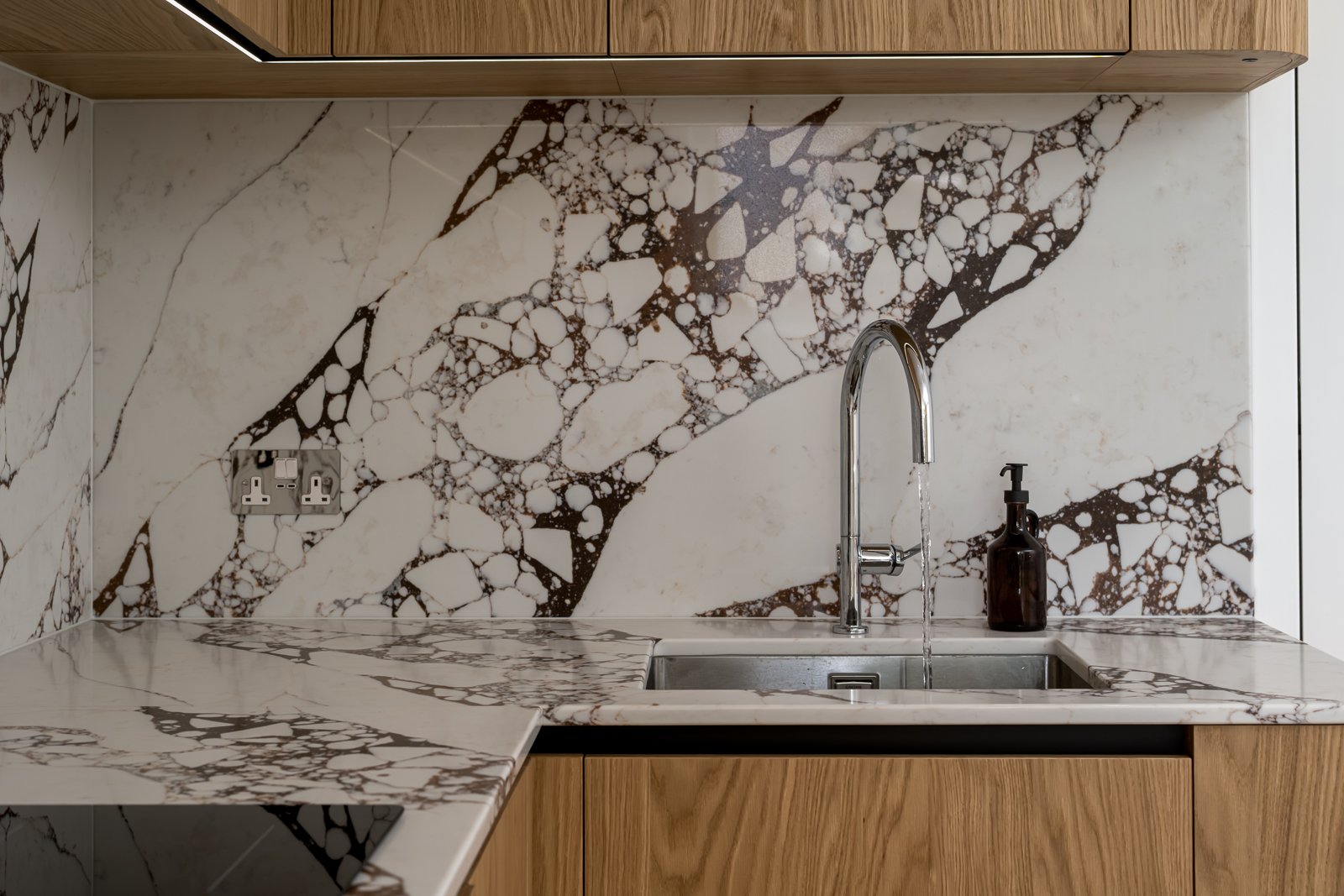
Marble sink / joinery detail
Why comparing photographers by day rate can be misleading
One of the first questions photographers are often asked is:
"What is your day rate?"
It is understandable.
But it isn't necessarily the best way to compare quotes.
Imagine two photographers.
One has a lower shooting fee but charges separately for every finished photograph, additional retouching and certain types of commercial usage.
Another quote may already include a defined number of finished photographs, retouching and an appropriate marketing licence.
Looking only at the headline day rate doesn't tell you which commission costs less.
More importantly, it doesn't tell you what you will actually receive.
Before comparing quotes, compare the complete commission:
shooting + finished photographs + retouching + licensing + video + travel + additional users + any extras.
That is much more useful than comparing two numbers labelled "half day" or "full day".
More photographs don't automatically mean better value
Image quantity is another easy number to compare.
One photographer may promise 100 photographs while another offers 25.
That doesn't automatically make the first quote better value.
For specialist interior photography, I am looking for the strongest way to present each part of the project.
That means considering:
the light
camera angle
composition
architectural lines
how furniture sits within the frame
which materials need to be visible
what should be removed or adjusted
what the photograph is actually trying to communicate
Sometimes very small changes make a substantial difference.
A chair may need moving.
Objects may need removing.
Curtains need adjusting.
Lines need to align.
The camera might move only slightly because an important detail is being hidden.
Or a composition may work far better once the light has changed.
I don't arrive with a van full of props and completely restyle a client's interior. I work best with a project that has already been prepared and styled.
But once I'm looking through the camera, I continually watch the frame and make smaller adjustments to present the space properly.
The aim isn't to produce the largest number of files possible.
It is to create a library in which the photographs are genuinely useful.
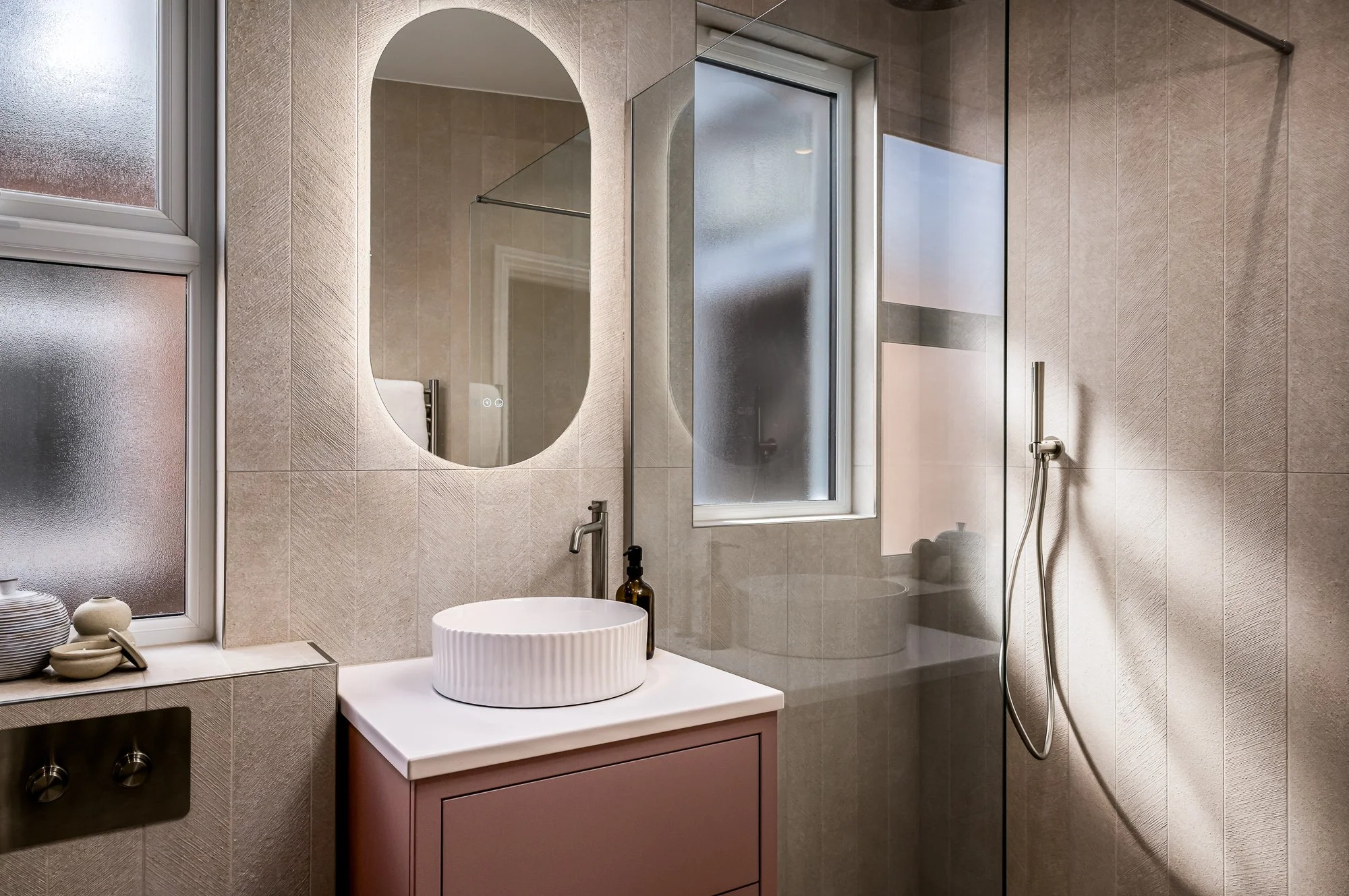
Bathroom
What makes a commission more expensive — and what simply wastes the budget?
There is an important difference between increasing the scope of a commission and simply consuming shooting time.
Some things cost more because you are receiving more.
For example:
photographing more spaces
producing more finished images
adding motion
photographing interiors and exteriors
creating twilight photography
producing testimonial content
requiring additional shoot days
creating several different types of marketing content
extending usage to additional businesses
Those things increase the scope.
The client receives more content or wider usage from the commission.
Other things can consume paid photography time without increasing the value of the final library.
The biggest examples I encounter are cleaning, preparation and styling still being completed after the photography session has started.
I have arrived at projects where cleaning is still happening, styling decisions haven't been made, or I am being asked where all the props should go.
Another difficult situation is when the homeowner hasn't been told how long professional project photography may take and the commissioning client isn't there.
Shoot time then starts disappearing into solving problems that ideally should have been handled beforehand.
A well-prepared project allows far more of the budget to go into creating photographs rather than waiting for the space to become photographable.
Related guide: How to Prepare an Interior Design Project for Professional Photography
When can a £650 photography budget be enough?
Not every project needs a full-day commission.
I regularly recommend smaller shoots when that is genuinely all the project requires.
A starting budget around £650 can make sense when:
there are a limited number of spaces
the project is completed and styled
access is straightforward
the required deliverables are clear
the client needs a focused image library rather than a large content production
That might be a kitchen, one or two completed rooms, bespoke joinery, furniture, architectural glazing, a smaller commercial interior or an update to an existing portfolio.
I don't believe in turning a small project into a full-day shoot simply because a larger package exists.
Sometimes the smaller commission is the right one.
I have also suggested that businesses involved in the same project share a shoot rather than commission separate photography when that produces better value for everyone involved.
The appropriate photography budget should follow the project and what the business needs from it.
Not the other way around.
When should you budget more?
A higher budget starts to make sense as the brief becomes broader.
For example:
a complete house
multiple floors or buildings
extensive interior and exterior coverage
a larger finished image library
photography plus video
testimonial videos
business portraits
detailed product photography
greater styling requirements
photography specifically planned for awards or press
several businesses needing to use the imagery
more than one shoot day
Two properties of a similar size can therefore require completely different photography budgets.
The deliverables, complexity and intended use matter as much as the square footage.
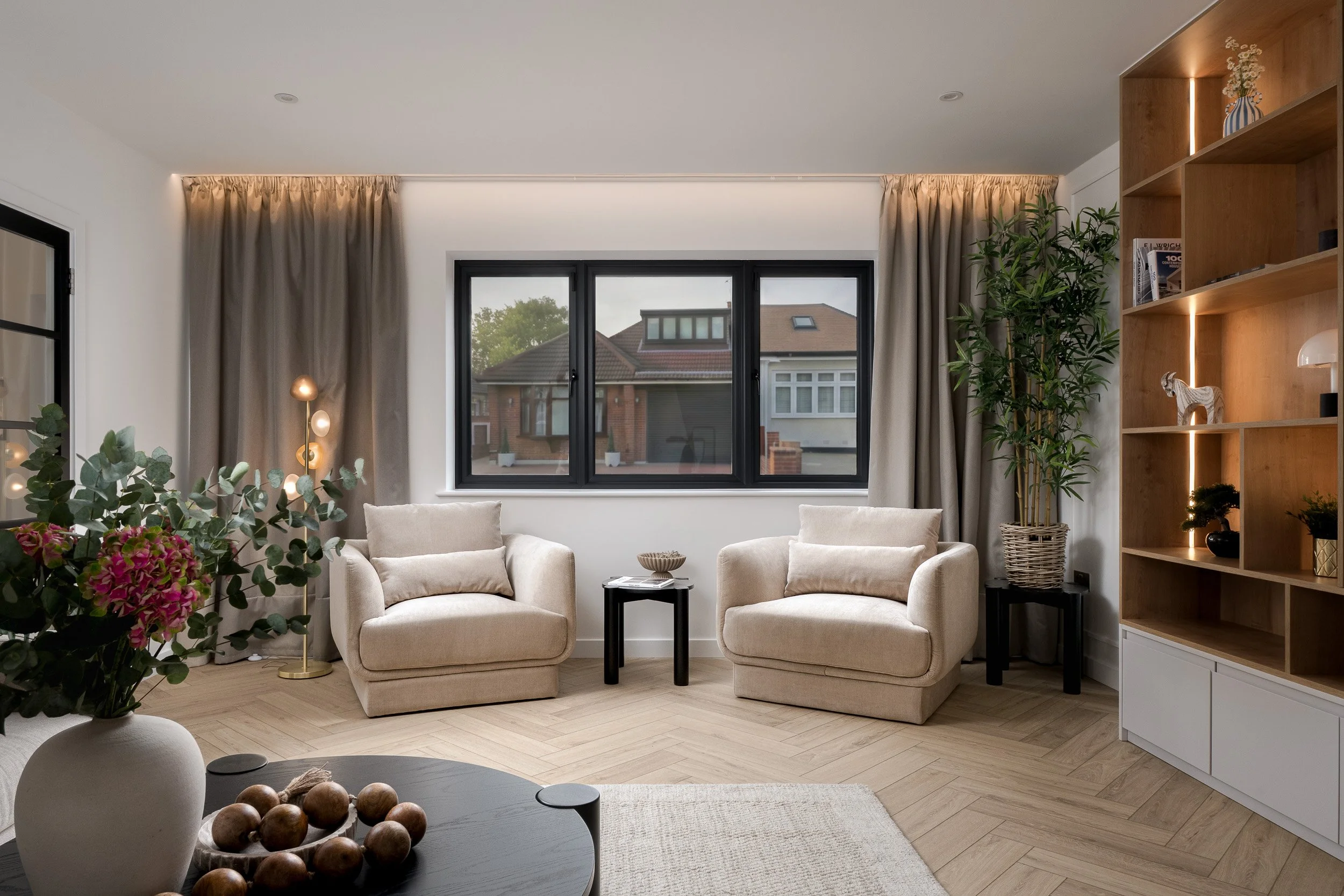
Living room
Photography and video: is it better to produce them together?
Often, yes.
If a completed project has already been cleaned, styled and prepared for photography, arranging another visit later for video means organising access and preparation again.
When video already forms part of the marketing plan, capturing still photography and motion during the same production can therefore be much more efficient.
It does, however, require more shoot time.
Switching between photography and video isn't simply a case of pressing a different button on the camera.
Each format requires its own compositions, movement and decisions about how the project should be presented.
Video may also require:
movement through the space
detail sequences
vertical compositions
testimonial filming
people interacting with the space
additional lighting or sound planning
That is why I prefer to discuss motion when planning the commission rather than treat it as an afterthought once the photography has started.
What about photography licensing?
Licensing is another reason two apparently similar quotes may not actually include the same thing.
Commissioning photography doesn't normally mean purchasing the copyright to the photographs.
Instead, the photographer gives the commissioning business permission to use the finished images for agreed purposes.
For most of my commercial clients, that means the photography can support their own marketing — including agreed uses such as their website, portfolio, social media, PR and business materials.
The situation changes when several companies want to use the same photographs.
A completed project might involve:
an interior designer
architect
contractor
joinery company
glazing company
lighting company
furniture supplier
Each business receives separate commercial value from using the imagery.
That doesn't mean each company needs to organise another photographer.
In fact, it can make considerably more sense for several businesses to share one carefully planned photography commission and the associated licensing cost.
I have recommended this myself when it makes commercial sense for the businesses involved.
The overall commission may become larger, but the individual cost to each participating company can become substantially lower than commissioning separate shoots.
Related guide: Cost-Sharing Photoshoots for Interior and Design Projects
Think about cost per use, not only cost per shoot
There is another way to look at photography cost.
A £650 or £1,350 commission is easy to see as money spent on one morning or one day.
But that isn't necessarily how the resulting content is used.
A strong photograph might appear on your website today, in a pitch several months later, on social media again next year and in a future presentation when a prospective client asks to see examples of similar work.
The same project can continue contributing to the business long after the photography invoice has been paid.
That doesn't mean every project automatically needs a large photography budget.
It means the budget should be considered against the usefulness of the finished assets, rather than just the number of hours required to produce them.
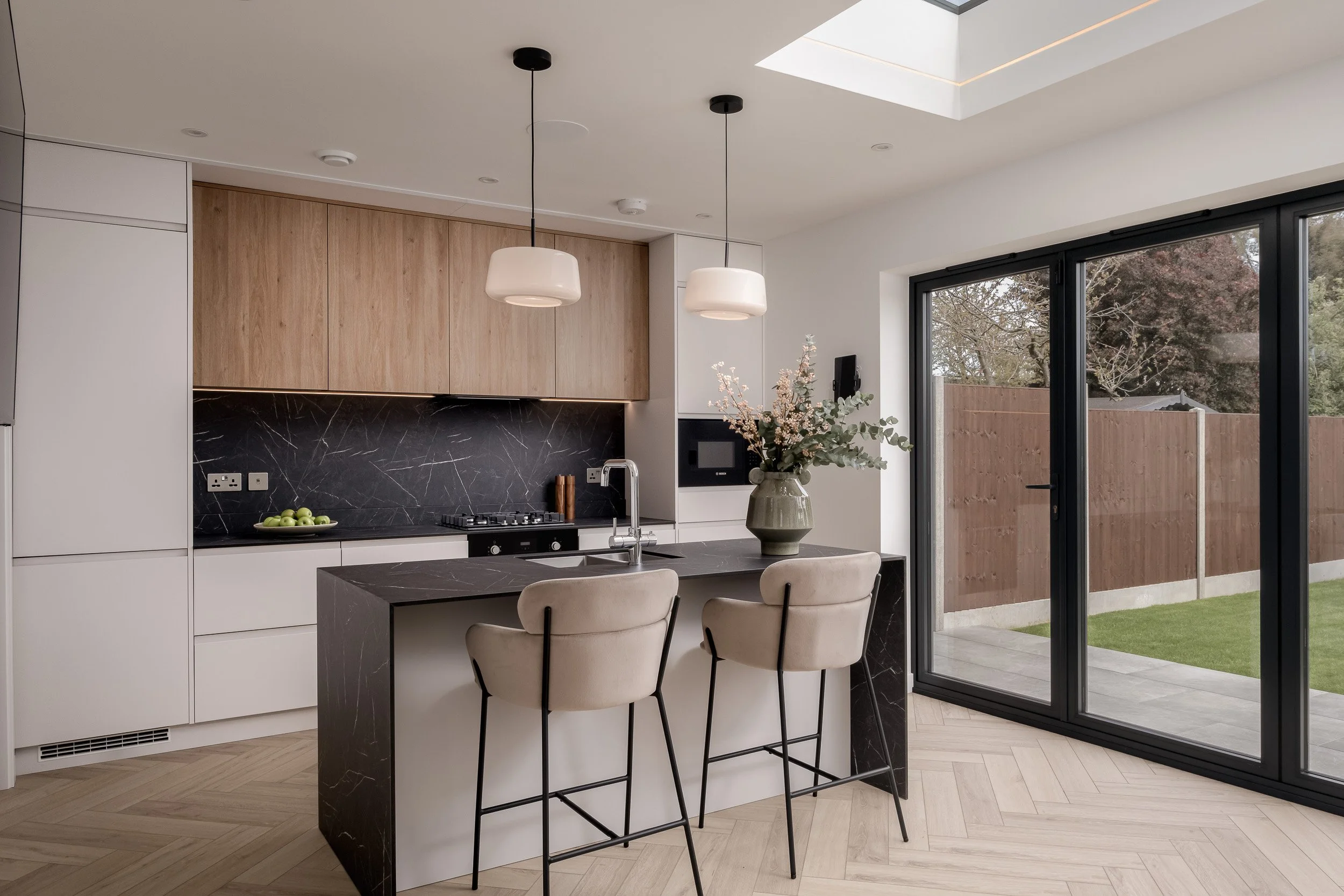
Kitchen with garden doors
Questions to ask when comparing interior photography quotes
Instead of comparing only the headline price, find out what you are actually receiving.
Ask:
How much photography coverage is included?
How many finished photographs will I receive?
Is professional retouching included?
Is pre-shoot planning included?
What commercial usage is included?
Can another business involved in the project use the photographs?
Is video included or available?
Are interiors and exteriors both covered?
Are travel or parking costs additional?
What happens if I need more finished photographs?
How quickly will the images be delivered?
Then look beyond the written quote.
Does the photographer's existing work look like the standard you want your own project to be represented by?
That question matters more than whether one quote includes ten additional photographs.
What if another photographer quotes £300?
A lower quote isn't automatically wrong.
The important question is whether you are comparing the same service.
A £300 photographer may be completely appropriate if what you need is fast documentation of a property.
But if you are comparing that against specialist photography intended to represent months of design, construction or craftsmanship, look beyond the headline number.
Consider:
the photographer's portfolio
consistency of quality
how they handle light
architectural lines and perspective
materials and detail
how much time is available for each composition
what is actually delivered
the usage licence included
The warning sign isn't simply:
"This photographer is cheap."
The warning sign is choosing a high-volume shoot-and-deliver service while expecting the result of a carefully considered project commission.
Those are different products.
And there is another cost that is easy to overlook.
If the photographs don't properly represent the finished work, most businesses don't immediately organise another shoot.
Those photographs often simply become the images representing that project on the website and in the portfolio.
The gap can remain there until another strong project is completed and photographed.
For a designer, architect or contractor whose previous work helps convince the next prospective client, that matters far more than the original £300 saving.
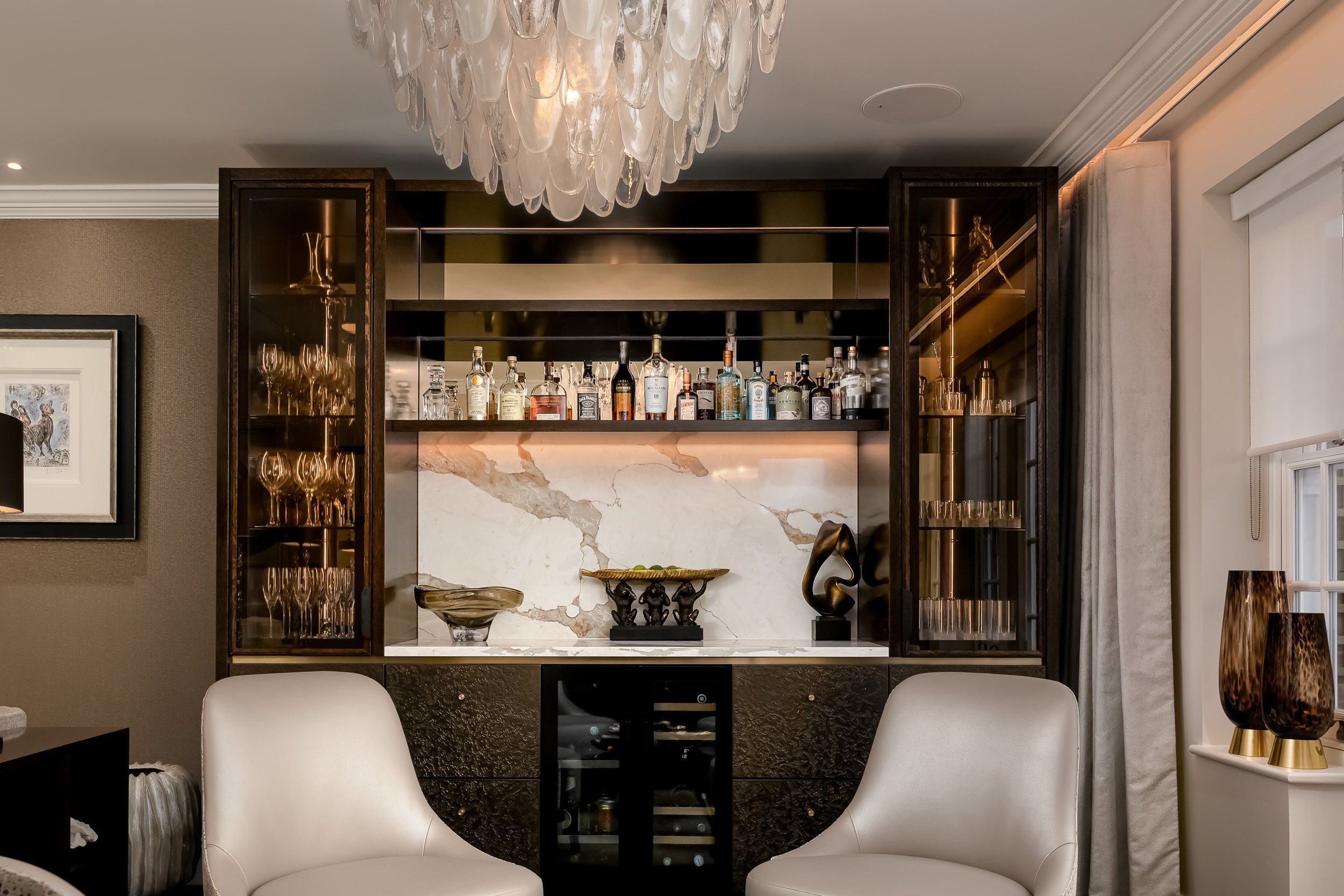
Bespoke Bar
So, how much should you budget for interior and architectural photography in London?
There isn't one figure that fits every project.
For specialist commercial interior and architectural photography, I recommend starting with the brief rather than choosing a package solely according to the number of hours.
For my own London commissions, focused projects start from £650.
Larger projects, full-day coverage, extensive image libraries and commissions combining photography with motion require a higher investment. More substantial full-day work may move into the £1,350+ range, while multi-day projects involving extensive photography, video and other content can run into several thousand pounds.
The important question is not whether you can fit the project into the cheapest available shoot.
It is whether the commission will produce the content your business actually needs.
To receive an accurate quote, send me:
the project location
what has been completed
which spaces need photographing
what is particularly important to highlight
how you intend to use the images
whether you need still photography, motion or both
whether any other businesses involved in the project would also like to use the photographs
From there, I can recommend the level of coverage that makes sense rather than automatically suggesting the largest shoot.
Planning a completed interior, architectural or design-led project in London or elsewhere in the UK? Get in touch to discuss the photography and what the finished content needs to achieve.